Understanding Construction Fundamentals
Before embarking on a construction project, it is essential to grasp the foundational elements that guide successful endeavors. Understanding what makes up the construction process not only aids in execution but also ensures that all parties involved can synchronize their efforts effectively. The intricacies of construction require a well-rounded comprehension of the preliminary steps, safety regulations, materials, and technology that shape the entire industry.
The Importance of Site Preparation
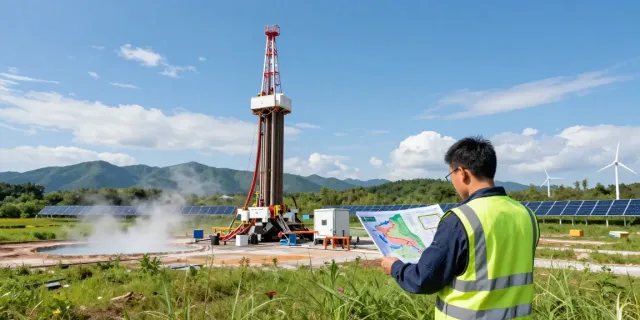
Site preparation sets the stage for every successful construction project. This stage involves an array of activities crucial to creating a stable foundation. From surveying the land to clearing vegetation, grading, and ensuring compliance with local regulations, site preparation encompasses everything needed to ready a location for building. Properly prepared sites minimize unexpected challenges later, such as flooding or soil erosion, which can dramatically alter construction timelines and budgets.
Moreover, the incorporation of modern technology like drones and geographic information systems (GIS) can streamline the surveying and mapping aspects of site preparation, enhancing accuracy and efficiency. When teams understand and execute thorough site preparation, they establish a stronger foundation for all subsequent building activities.
Key Construction Materials and Their Uses
The choice of materials can affect everything from project durability to energy efficiency. Common materials include concrete, steel, wood, and glass. Each of these materials comes with advantages and considerations. For instance, concrete offers impressive compressive strength and is often used for buildings and infrastructure. Steel provides tensile strength and resilience but may require additional insulation to manage thermal conductivity.
Wood remains a popular choice for residential constructions due to its aesthetic appeal and workability, while glass is increasingly chosen for facades to enhance natural light and energy efficiency. With innovative materials like carbon fiber composites and high-performance insulation emerging, construction professionals need to stay updates to design sustainable and attractive structures effectively.
The Role of Safety Regulations in Construction
Safety in construction cannot be overstated. Regulations are implemented at both federal and state levels to protect workers, equipment, and the general public. OSHA standards set the baseline for safe practices, covering everything from fall protection to hazardous material handling. Adhering to these regulations not only protects lives but also reinforces project viability by preventing costly accidents and delays.
Training sessions and regular safety audits provide opportunities for teams to familiarize themselves with safety procedures, ensuring compliance and addressing any concerns promptly. Beyond following regulations, fostering a culture of safety can empower workers to voice concerns and take proactive measures toward creating a safe working environment.
Planning a Successful Construction Project
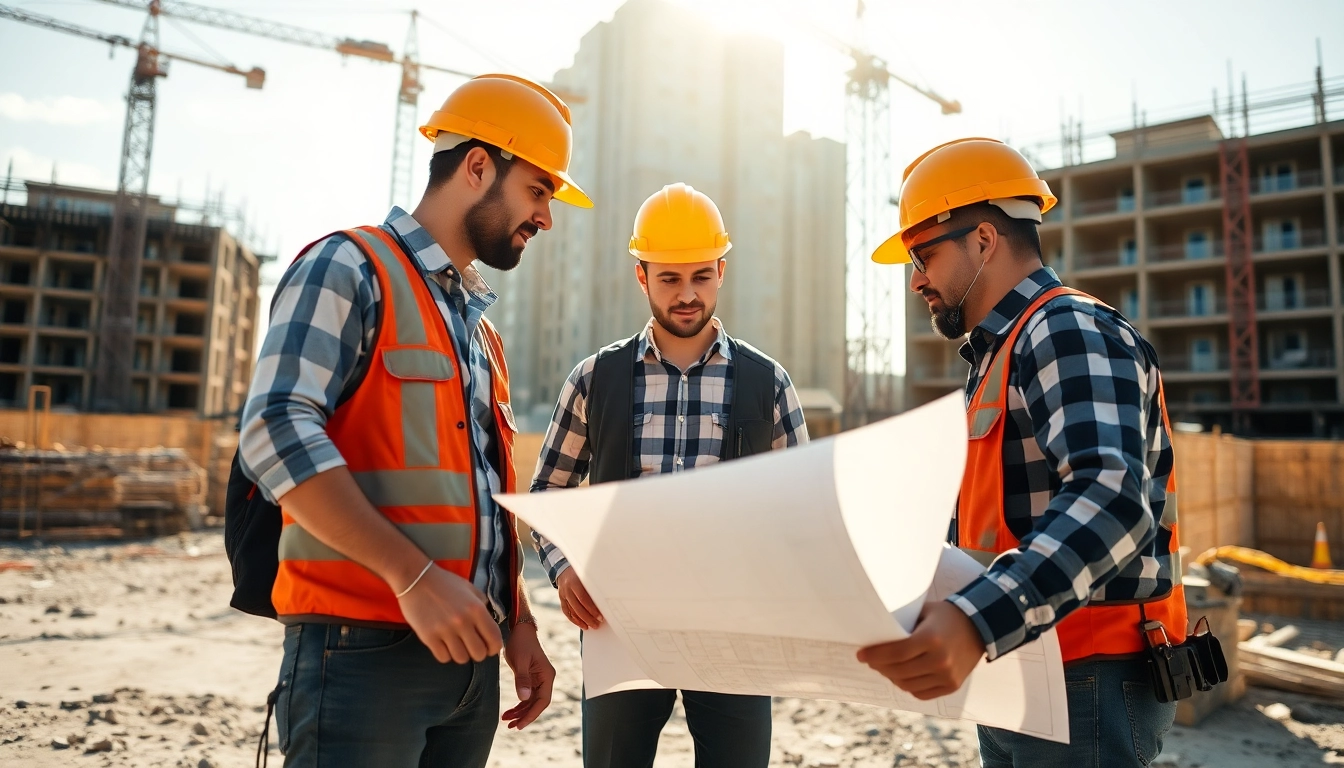
Planning is the cornerstone of any successful construction project. It requires a meticulous approach involving timelines, budgets, team selection, and resource allocation. Proper planning mitigates risks and sets clear objectives that guide the effort from inception to completion.
Setting Realistic Timelines for Construction
For projects to stay on track, establishing realistic timelines is essential. This involves analyzing the scope of work, identifying dependencies, and incorporating buffer periods to account for unforeseeable events. Utilizing project management tools can significantly increase the accuracy of timelines, as these tools provide visual representations of project paths, dependencies, and milestones.
Additionally, engaging with skilled subcontractors early in the timeline process can provide insights regarding potential challenges based on niche experiences. These collective insights can inform timeline adjustments, ensuring all aspects of construction are synchronized effectively.
Budgeting and Financial Management in Construction
Financial prudence in construction is a critical determinant of project success. Detailed budgeting considers all elements, from labor and materials to equipment rental and contingencies. It is vital to account for unexpected issues which may arise, ensuring your budget is flexible enough to handle variations in costs.
Moreover, integrating cost management software can optimize tracking expenditure against the planned budget. By providing real-time updates, these tools facilitate adjustments before financial overruns become critical issues. Consistent reviews of financial performance against initial budgets foster a culture of accountability and financial awareness across project teams.
Choosing the Right Construction Team
The effectiveness of a construction team dramatically influences project outcomes. When selecting a team, consider experience, expertise, and compatibility with project goals. A well-rounded team may include architects, engineers, general contractors, and specialized subcontractors.
Using performance metrics from previous projects can guide team selection, helping to avoid repetitive mistakes. Additionally, fostering a collaborative atmosphere and promoting clear communication channels will enhance the team's performance and support the successful completion of projects.
Advanced Construction Techniques
As construction evolves, innovative techniques and technologies reshape traditional practices. Embracing advanced methodologies can lead to increased efficiency and sustainability throughout construction projects.
Innovative Tools and Technology in Construction
Technology has transformed construction operations, bridging gaps between planning and execution. Tools like building information modeling (BIM), 3D printing, and augmented reality provide comprehensive frameworks that enhance visualization, coordination, and even prefabrication of components.
Moreover, employing drones for surveying and monitoring construction sites can reduce the time typically spent on these tasks and ensure accuracy through high-resolution imaging. As these tools become more integrated into daily operations, understanding how to leverage technology effectively becomes crucial for engineers and project managers alike.
Green Construction Practices
With increasing awareness of environmental sustainability, green construction practices are becoming standard. These practices focus on minimizing waste and reducing energy consumption. Techniques include utilizing recycled materials, improving insulation, and implementing water conservation systems.
Certifications like LEED (Leadership in Energy and Environmental Design) provide frameworks for constructing sustainable buildings that consume less energy and are environmentally friendly. By adopting these practices, companies not only contribute to environmental stewardship but also often see financial benefits through reduced operational costs.
Structural Engineering Principles in Construction
Structural engineering serves as the backbone of successful construction. Understanding forces, loads, and materials helps engineers create safe and durable structures. Key concepts include load distribution, stress analysis, and stability considerations.
By utilizing advanced software, structural engineers can create detailed simulations that reflect real-world scenarios, helping to preemptively identify potential issues. From high-rise buildings to bridges, utilizing comprehensive engineering principles is essential for achieving structural integrity.
Common Challenges in Construction
Despite thorough planning and advanced techniques, challenges are inherent in construction projects. Recognizing these common issues prepares teams to mitigate their impacts effectively.
Managing Delays and Setbacks in Construction Projects
Delays can arise from numerous sources, including weather interruptions, supply chain disruptions, and permitting challenges. Identifying potential risks early fosters proactive strategies to mitigate delays, such as scheduling buffers or alternative resource agreements. Communication with stakeholders ensures everyone remains informed and aligned on timelines and project status.
Additionally, employing agile project management techniques can facilitate rapid adjustments to changing conditions, thus minimizing disruption and facilitating swift recovery.
Resolving Conflicts and Disputes on the Construction Site
Conflict resolution is a crucial skill for project managers. Conflicts may arise from worksite disagreements, miscommunication, or differing expectations. Establishing clear communication channels and employing regular team meetings can provide forums for airing and resolving grievances constructively.
Furthermore, dispute resolution mechanisms such as mediation or arbitration can lead to amicable solutions without dragging projects into lengthy legal battles. Invest in training managers in conflict resolution techniques to enhance team cohesion and maintain a positive work environment.
Quality Control Practices in Construction
Maintaining quality control throughout construction is vital for ensuring longevity and compliance with standards. Implementing quality assurance processes involves frequent inspections, documentation, and adherence to safety protocols.
By developing checklists and leveraging feedback loops, managers can identify quality issues promptly. Establishing a culture of quality, where every team member feels responsible for maintaining standards, enhances overall project success.
Evaluating Construction Project Outcomes
Once the project is completed, evaluating its success critically informs future endeavors. This analysis extends beyond simple completion metrics to encompass performance, satisfaction, and efficiency.
Performance Metrics for Construction Success
To gauge project success, define specific performance metrics aligned with project goals. Metrics include on-time delivery, budget adherence, and stakeholder satisfaction. Collecting and analyzing this data provides insights into whether the project met its objectives.
Additionally, analyzing performance over multiple projects helps identify patterns, assist with forecasting, and inform strategic planning for future endeavors.
Feedback and Continuous Improvement in Construction
Feedback loops are crucial in fostering continuous improvement within construction teams. Engaging stakeholders in discussions post-project can yield valuable insights into what went well and areas for improvement. Surveys and structured feedback sessions provide structured ways to gather thoughts systematically.
By documenting lessons learned, teams can build knowledge bases that guide future projects, reducing the likelihood of repeating past mistakes and continuously refining processes.
Future Trends in the Construction Industry
As the construction industry continues to evolve, staying abreast of emerging trends empowers teams to remain competitive. Big data analytics, artificial intelligence, and modular building are among the trends shaping the future landscape.
Technological advancements will enhance efficiency and push the boundaries of what is achievable in construction. By integrating innovative processes and approaches, construction can adapt to changing demands and maintain relevance in a fast-paced world.
FAQs About Construction
What is the first step in a construction project?
Site preparation is the initial step. It involves surveying, clearing, and preparing the land for the construction process.
How can construction projects stay on budget?
Accurate budgeting with contingency allowances, regular financial reviews, and using cost management tools can help keep projects within budget.
What are common materials used in construction?
Common materials include concrete, steel, wood, and glass, each serving different purposes based on their properties and applications.
How can safety be ensured on construction sites?
Safety can be ensured through adherence to regulations, continuous training, regular audits, and promoting a culture of safety among all workers.
What role does technology play in modern construction?
Technology enhances efficiency through tools like BIM, drones for surveying, and project management software, streamlining operations and improving accuracy.